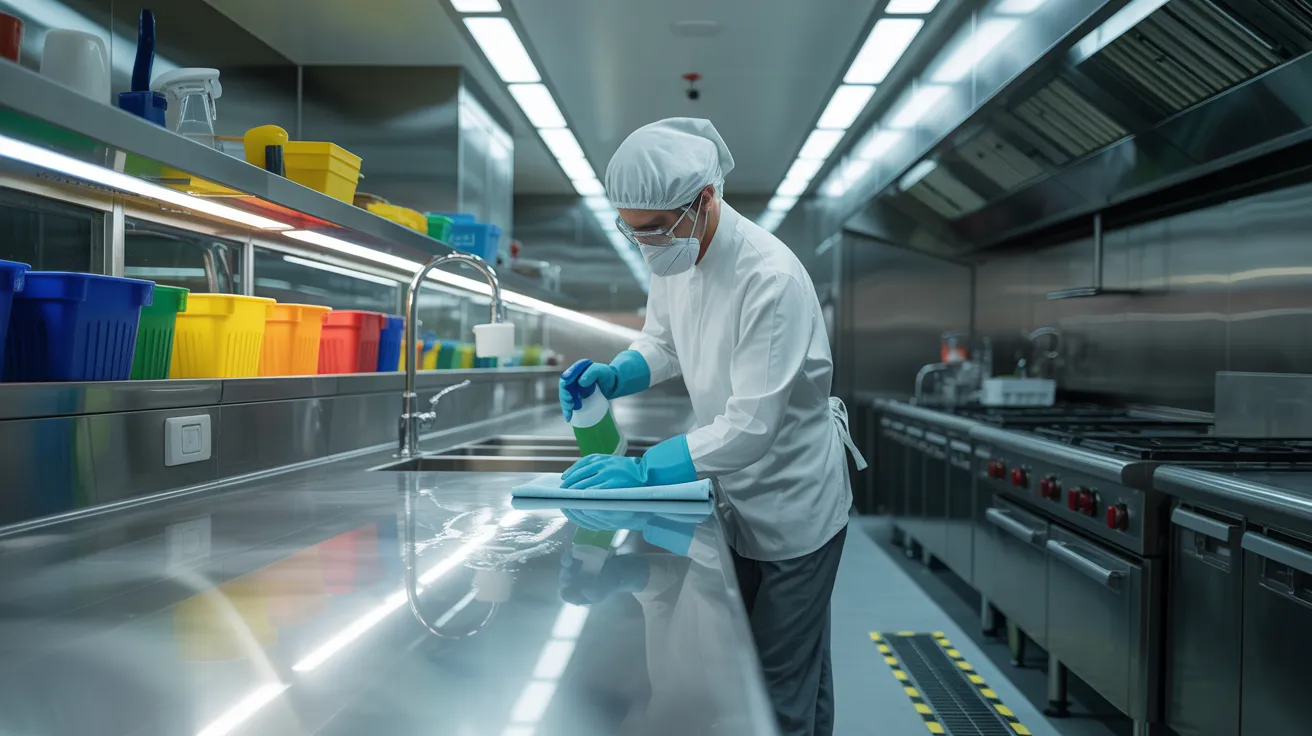
Professional sanitation and food hygiene professionals in Brampton assist food establishments, commissaries, baking facilities, warehouses, and mobile food services maintaining standards. They sanitize high-contact points, food contact areas, equipment, floors, drains, restrooms, and food handling spaces with approved chemicals, maintaining proper ratios, and recording exposure duration. You require regular sanitation based on hazard level, food throughput, food allergies, and regulatory assessments, plus documented proof backing Hazard Analysis Critical Control Points, audits, and public health compliance. The following information explains how effective cleaning systems should include.
Essential Summary
- Food safety cleaning professionals from Brampton service restaurants, grocery departments, commissaries, warehouses, bakeries, schools, mobile vendors, and allergen-sensitive operations.
- Sectional methods sanitize high-touch surfaces, food-contact equipment, kitchens, floors, drains, restrooms, and storage areas for preventing cross-contamination.
- Filing of finalization through checks, audits, and corrective-action records ensures qualified contractors have validated proper chemical concentration, appropriateness, and contact time.
- Hazard, output capacity, transitions, spills, and guidelines must direct maintenance schedules, with everyday, periodic, and periodic activities allocated by section.
- Opt for vendors with HACCP, public-health, competency, safety training, training, protection, testimonials, colour-coded tools, and inspection-ready maintenance paperwork.
What Brampton Facilities Require Food Safety Cleaning?
Brampton operations that deal with, maintain, prepare, package, or provide food require hygiene cleaning. Implement it if your operation is regulated by health department oversight, food standards, or HACCP systems. The obligation covers dining establishments, employee cafes, food distributors, market sections, meat shops, fish counters, local shops, and commercial kitchens.
You also need documented food sanitation in storage facilities, food production centers, refrigerated locations, bakery retailers, school meal programs, event venues, and food distribution hubs. Temporary and mobile establishments count too, including catering vehicles, market vendors, and seasonal stalls. If your staff handle ingredients, section prepared foods, heat finished items, or keep allergens stored, your facility needs documented cleaning protocols. In Brampton, cleanliness isn't elective; it's part of lawful, functional, and customer safety adherence.
What Do Brampton Cleaning Professionals Handle?
You require experienced cleaning professionals who disinfect high-touch surfaces, cooking areas, flooring, and bathrooms to ensure compliance with food safety and health standards. These locations are prioritized because they carry the greatest contamination risk, slip and fall dangers, and health code violations.
If you grasp what they sanitize, you'll be able to confirm your facility meets all operational and regulatory compliance needs.
High-Touch Surface Sterilization
establish how regularly each area is sanitized
swapping cloths appropriately, using one-way workflows, and dividing sanitization equipment according to location. These measures keep your disinfection plan measurable, justified, and ready for inspection continuously.
Kitchen Areas, Floor Surfaces, and Bathroom Spaces
Expect Brampton cleaning experts to focus on kitchens, floors, and restrooms because each area carries distinct foodborne illness prevention, accident prevention, and sanitation risks. In industrial kitchens, you need degreasing on cook lines, equipment exteriors, drains, prep surfaces, and splash zones to reduce contamination and pest pressure.
Floor care that is recorded should also be anticipated. Technicians scrub and extract buildup from tile grout, ceramic surfaces, and vinyl floors, then apply appropriate drying controls so you can limit falls and maintain code-compliant conditions. They also handle entry points where dampness and dirt enter the building.
Restroom cleaning involves sanitizing surfaces, fittings, separators, dispensers, and containers, restocking supplies and controlling odours. They also service restaurant moprooms, where chemical storage, sink hygiene, and drainage conditions can affect sanitation compliance and staff safety daily.
How Food Safety Cleaning Benefits Brampton Operations
Brampton businesses need to implement proper sanitation practices for meeting health code requirements and passing inspections. You also reduce cross-contamination by cleaning and sanitizing food-contact surfaces, equipment, and high-touch areas correctly. Most importantly, you safeguard public health by lowering the risk of foodborne illness in your facility.
Food Safety Regulations
Since Brampton food operations must follow strict public health standards, your hygiene maintenance directly impacts your ability to meet health codes, safeguard diners, and avoid regulatory penalties. You must maintain sanitary food-contact surfaces, verifiable cleaning logs, appropriate product handling, and documented employee protocols that comply with municipal and provincial inspection expectations.
Failure to maintain cleaning standards leads to citations, remedial directives, brand harm, and potential disruption during follow-up inspections or enforcement reviews.
Cross-Contamination Prevention
Following health code standards depends on your skill in stopping cross-contamination in routine food work and sanitation. You must separate raw ingredients from ready-to-eat foods, sanitize prep surfaces between tasks, and store chemicals away from food-contact items. Clear procedures reduce transfer risks and promote steady regulatory adherence.
Implementing allergen segregation helps ensure major allergens don't touch communal work zones, bins, or devices. Deploy dedicated cutting boards, color-coded tools, and strict utensil labeling so staff don't mix items while preparing or distributing. Require handwashing after handling raw meat, seafood, eggs, or allergen-containing products. Replace wiping cloths regularly, and verify sanitizer strength with test strips. When your team learns these guidelines per shift, you establish a more hygienic, safer workplace that satisfies Brampton's food safety needs daily.
Public Health Safeguarding
When food safety cleaning breaks down, you don't just risk a failed inspection—you heighten the likelihood of food-related sickness impacting customers, staff, and the wider Brampton community. You also undermine your responsibility in safeguarding community wellness, especially in high-traffic food premises where contamination can spread quickly through surfaces, equipment, and touchpoints.
You need cleaning protocols that eliminate contaminants, disinfect properly, and confirm effectiveness. That requires adhering to exposure periods, employing authorized sanitizers, documenting schedules, and training staff to meet health-unit expectations. These measures facilitate disease prevention by lowering microbial loads before they reach food or hands. In Brampton, strong sanitation protects vulnerable populations, prevents disease spread, and helps you demonstrate proper care. When you maintain proper standards, you exceed basic requirements—you substantially decrease danger and support safer food service throughout the region.
How Can Cleaning Practices Ensure Food Safety Compliance?
Following thorough cleaning protocols enhances food safety compliance by lowering contamination exposure, limiting pathogen development, and ensuring your facility complies with sanitation requirements under HACCP-based programs and public health regulations. You confirm that product-contact areas remain visibly clean and microbiologically controlled, supporting documented preventive controls and inspection readiness.
Conscientious cleaning additionally strengthens allergen control by extracting residues that can trigger undeclared allergen exposure. When you match validated sanitation procedures with standards training, your staff can implement consistent approaches, employ approved chemicals appropriately, fill out documentation correctly, and address variations before escalation occurs. Ongoing cleaning supports product tracking, confirms corrective actions, and exhibits accountability during audits. Additionally, it assists you preserve product safety, maintain regulatory compliance, and decrease the chances of enforcement actions, product recalls, grievances, and avoidable health dangers.
Establishing When to Schedule Commercial Cleaning
You'll achieve the best results from cleaning plans that reflect risk, production volume, and regulatory requirements rather than a static calendar system alone.
facility closures, seasonal soil buildup, or times of high pest pressure. When your facility conducts special events, catering services, or public gatherings, schedule cleaning immediately before and following for successful event turnaround
Finding Quality Brampton Cleaning Experts: A Guide
Start by screening providers against food-safe sanitation requirements, not price alone. You should verify that each company understands CFIA, public health, and HACCP-aligned expectations relevant to your facility. Ask for proof of insurance, WHMIS compliance, documented staff training, and supervision practices. Review whether technicians understand cross-contamination risks, chemical handling, and traceable sanitation records.
Additionally, you need to evaluate service dependability and accountability. Obtain references from Brampton food operations, then review response times, corrective measures, and communication practices. Verify the company supports supplier audits and can deliver inspection-ready documentation when inspectors or external parties need proof. Verify equipment upkeep, color-coded equipment are applied correctly, and site-specific hazards are identified. A capable service protects compliance, product quality, and your brand reputation.
Which components are part of a Food Safety Cleaning Plan?
Put together a written program that establishes every sanitation duty, standard, and accountability ahead of production commencement. You should list cleaning frequencies, approved chemicals, dilution rates, contact times, tools, and verification methods for each sector, surface, and equipment. Make sure to include pre-operational inspections, corrective actions, and employee training requirements.
Your program should also cover contamination prevention, garbage management, pest control procedures, and recorded timelines for bathrooms, drainage systems, surfaces, and food-preparation zones. Explain how you'll separate raw and ready-to-eat processes, support ingredient tracking, and maintain accurate allergen labeling through validated cleaning between product changes. You should assign accountability, maintain signed records, and compare results against regulatory standards, HACCP controls, and customer requirements. When gaps appear, update procedures immediately and retrain staff.
Regular Posed Questions
Do sanitation providers work during nighttime hours at Brampton properties?
If you run regulated facilities, you'll also need records that support inspections and maintain assurance.
Can sanitation professionals handle emergency spill response?
Yes, you can expect Brampton sanitation professionals who offer hazard containment solutions. They handle contamination, evaluate dangers, isolate affected areas, and start rapid decontamination to reduce exposure and avoid operational disruption. You should verify arrival timeframes, professional credentials, safety procedures, and disposal procedures. If your facility must comply with industry standards, choose a provider that records events, follows compliant standards, and supports audit readiness.
Do eco-friendly disinfectants work safely on food preparation areas?
In essence, eco-friendly disinfectants prove safe for food preparation areas provided you select disinfectants approved for food contact that satisfy regulatory compliant. Check application timing, dilution ratios, and rinse protocols in advance of use. Natural-based solutions lower chemical burden, although you require confirmation of performance against relevant pathogens. To preserve residue-free conditions, stick to manufacturer directions precisely and verify the cleaning agent satisfies applicable food industry sanitation standards.
Do maintenance plans permit production fluctuations?
Certainly, cleaning schedules respond to seasonal production changes well. Modify frequencies, personnel, cleaning agents, and verification steps to correspond with seasonal workflows while preserving regulatory compliance. Reduce production interruptions via planning disinfection amid line changes, peak seasons, and operational patterns. Additionally modify written procedures, instruction programs, and facility monitoring to address transient threats, new allergens, or elevated soil levels. Ongoing evaluations keep your program current.
Do commercial cleaning providers instruct your team in sanitation best practices?
Indeed, professional cleaners typically provide employee coaching on sanitation best practices. Your team obtains training on safe chemical application, contact times, cross-contamination prevention, equipment disassembly, and record-keeping. They typically follow instruction with HACCP, GMP, and CFIA or local public health requirements. Many perform compliance inspections to confirm standards, identify gaps, and reinforce corrective actions. This supports you in maintain consistent procedures, achieve compliance, and decrease foodborne illness risks each day.
Closing Remarks
Through working with Brampton food safety and commercial cleaning specialists, you accomplish much beyond organizing—you keep your operation prepared for audits and your standards meet requirements. get started From production floors to kitchens, all clean areas and organized zones reduce contamination risks and avoid major losses. Through booking service on suitable timelines and adhering to a comprehensive cleaning program, you safeguard your team, your patrons, and your good name. In a tightly controlled regulatory landscape, clean conditions cannot be considered optional—they are fundamental to success.